

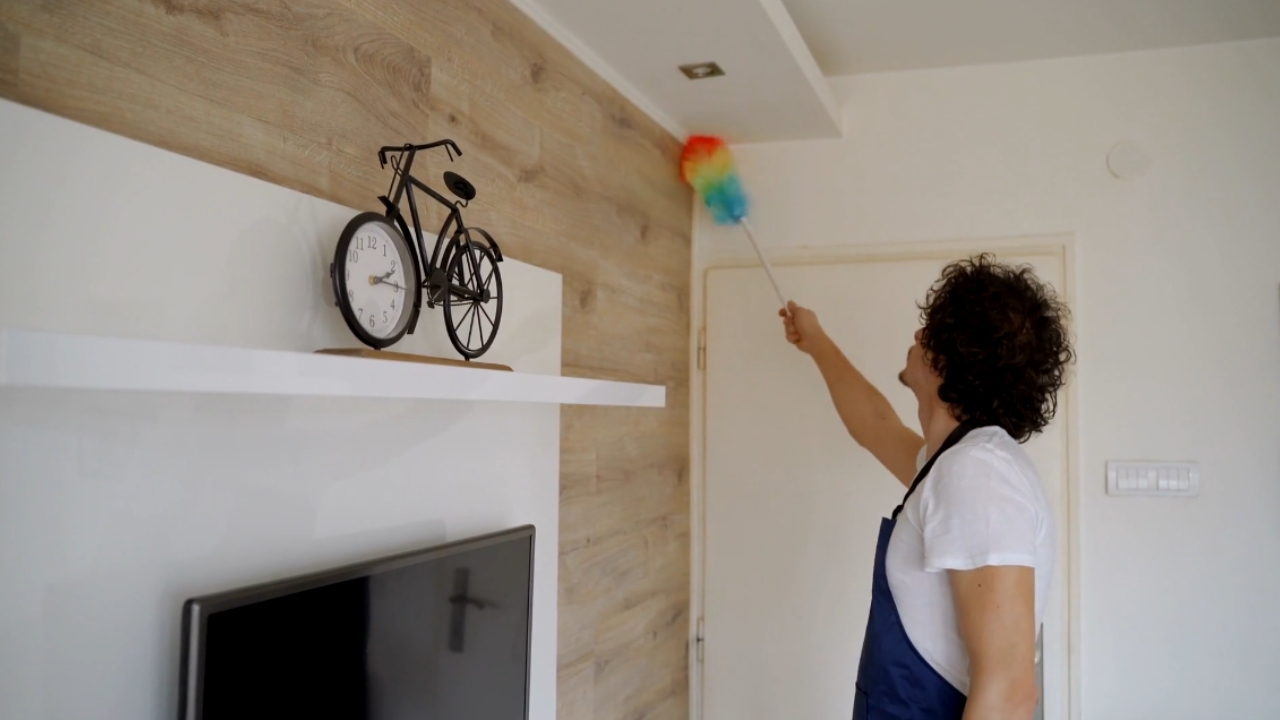
It is the end of September, so naturally I am writing about spring cleaning while wearing socks and eyeing the radiator.
Bear with me.
Every March, most American households feel the same pull. Wash the windows. Drag the sofa out. Find out what has been living behind it. It feels almost instinctive, but historically it was mostly about soot.
Spring cleaning became an American ritual for very practical reasons, most of them black, greasy, and produced by the family stove. Then reformers and advertisers added reasons of their own.
Here is how it happened, what changed, and what the numbers say now.
The Habit Is Older Than America
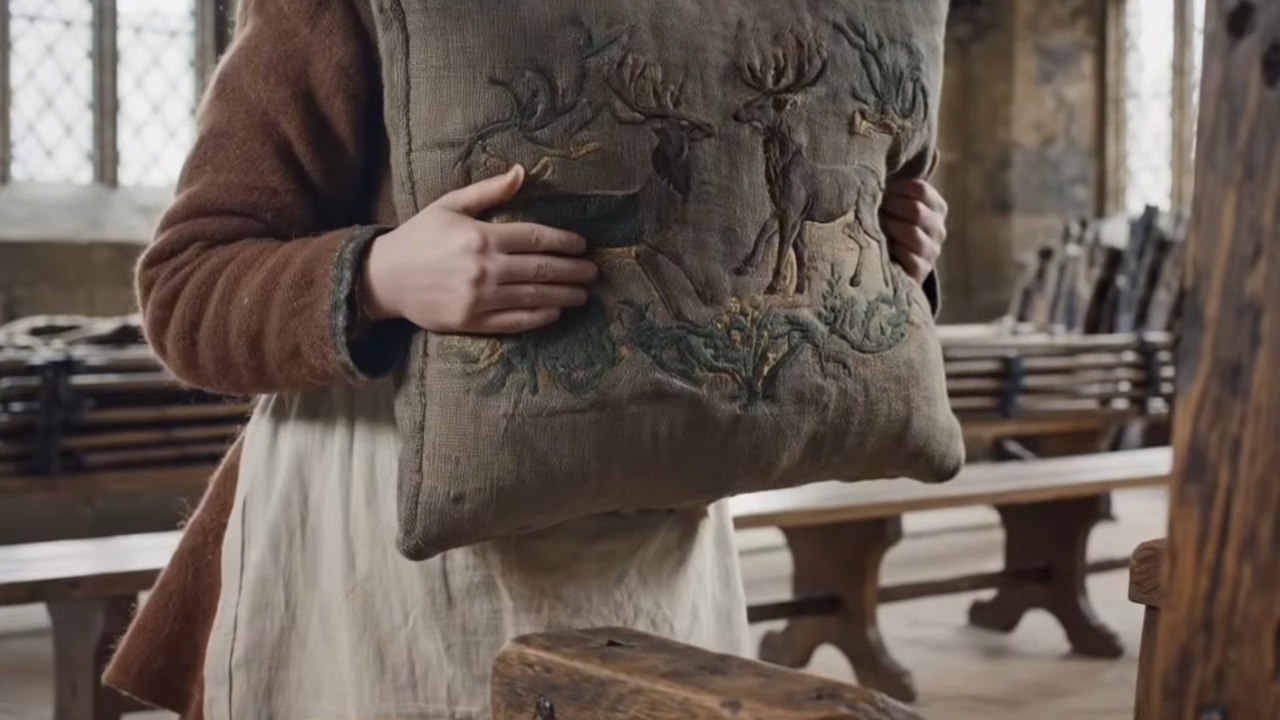
Cleaning house at the turn of the season was not invented here. National Geographic’s history of spring cleaning traces the custom through several traditions. Jewish families remove every trace of leavened bread, called chametz, before Passover.
Chinese families sweep before the Lunar New Year and avoid sweeping right after it, so the good luck stays put. Households celebrating Nowruz scrub the house before a spring holiday roughly 3,000 years old.
Which of these customs shaped the American version is honestly unclear. Nobody has traced a neat line of descent, and I would be suspicious of anyone who claims one. The American climate simply gave people a reason to keep the habit.
Khāne-takānī, Persian for “shaking the house,” is the deep clean before Nowruz, when rugs, blankets, and clothes are washed for a fresh start.
Winter Left a Layer of Soot on Everything
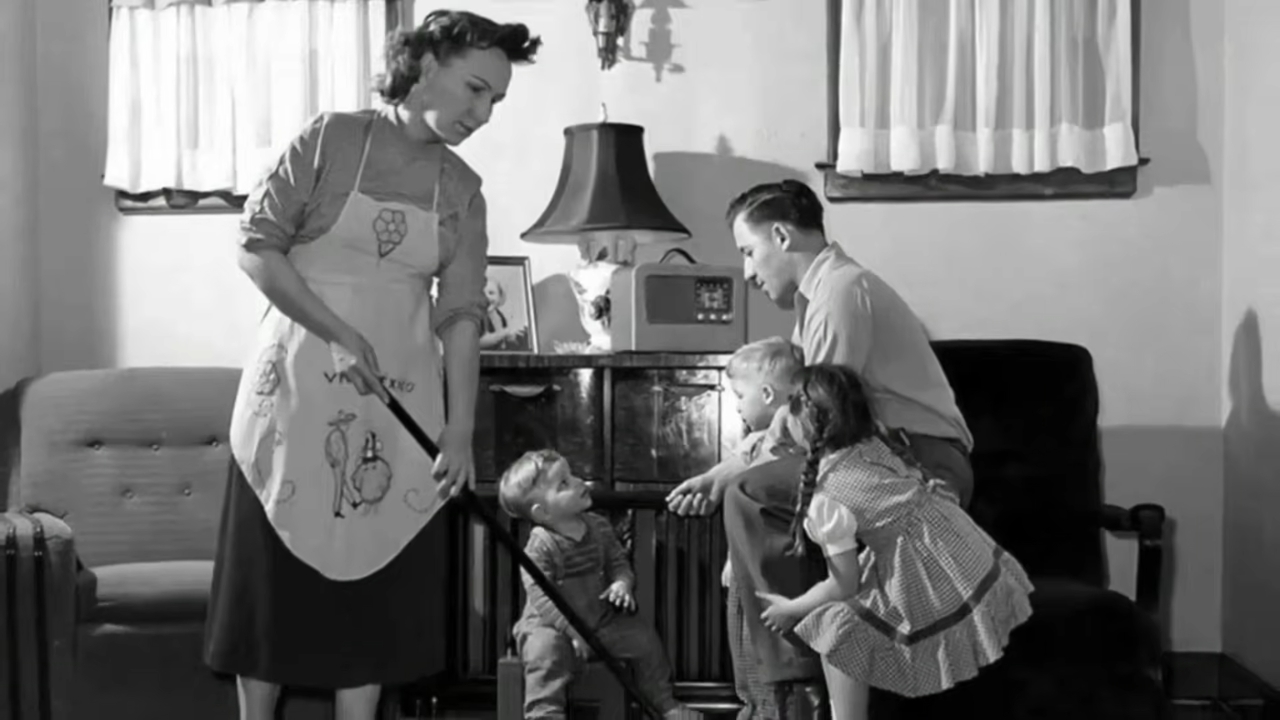
In the nineteenth century, winter did not simply make an American house dusty. It made it dirty in a way we would struggle to recognize.
Homes were heated with coal, wood, or oil and lit by gas, candles, or oil lamps, with windows shut against the cold. Historian Susan Strasser, who wrote a history of American housework called “Never Done”, described the result in a radio interview about nineteenth-century spring cleaning: grime on every surface and a job that could occupy the women of the house for about two weeks.
Newspapers ran cartoons of husbands fleeing from mops and buckets. Frankly, I have more sympathy for the mops. We do not have to guess how people felt about it. Susan Fenimore Cooper, daughter of the novelist James Fenimore Cooper, kept a nature diary in Cooperstown, New York, published as Rural Hours in 1850. In an April 1848 entry, she described the village in the middle of its great spring house-cleaning and ranked the upheaval just below moving house for sheer discomfort. She also wondered where Americans had picked up this regular urge to clean. More than 175 years later, I cannot tell you either, and I have read considerably more about it than is probably healthy. The dishwasher has a similar history. Josephine Cochrane’s 1886 dishwasher helped transform household chores, although most American families had to wait decades to own one. Did you know? Cooper recorded a second round of house-cleaning later in the year. It was far lighter work, a matter of two or three days rather than weeks. Spring kept the bigger reputation. The ritual survived, but its original reason slowly left American basements. The Census Bureau’s historical tables on house heating fuel show how fast coal and wood gave way. In 1940, three in four homes burned coal or wood. By 2000, fewer than 2 percent did. Less soot meant less scrubbing. That same shift in home heating also explains why Play-Doh was originally used to clean wallpaper before it became a children’s toy. Carpet beating got a replacement too. James Murray Spangler, a janitor in Canton, Ohio, received a 1908 patent for his carpet sweeper and cleaner and sold the rights to William Hoover that year. Spring cleaning shrank from weeks to a weekend. It did not disappear. As the soot argument faded, a health argument moved in. In 1869, Catharine Beecher and Harriet Beecher Stowe published The American Woman’s Home, an influential household manual. It warned that families spent northern winters shut in one room, window cracks sealed and an airtight stove running, and blamed that stale air for much of the sickness people felt by spring. By the 1910s, the message was being sold. Johnson & Johnson ran full-page Clean Up Week ads each March in magazines including Good Housekeeping and Cosmopolitan, linking a clean home with protection from polio, diphtheria and measles. Advertisers also helped turn lemon scent into a symbol of a clean house, even though a pleasant smell says little about the actual state of a room. The ritual is very much alive. The American Cleaning Institute (ACI) commissions Wakefield Research to survey about 1,000 U.S. adults online most years.
Two caveats, because I read the fine print. The questions were worded each year differently, so small shifts are not a trend. HI&I formulators – although this is based on an American survey, it highlights the vital connection between cleaning and health! https://t.co/xLQYW59Y6V — Harke UK & Ireland (@HARKE_UK) April 10, 2025 The 2024 headline said Americans “now spring clean every year,” but that survey measured plans for one year. ACI also represents cleaning-product makers. The 2026 spring cleaning survey added a humbling detail: 56% would be embarrassed to say when they last cleaned the refrigerator. Knowing why the ritual started makes it easier to decide which parts still earn their place. Most of us no longer have soot on the ceiling. We do have dryer vents, range-hood filters, refrigerator coils, and whatever is living at the bottom of the toaster. The laundry room deserves a turn too, and LG owners can follow my guide to clean an LG front load washer before the next Tub Clean cycle. Samsung owners can follow my Samsung Self Clean guide to see why the door gasket, detergent drawer, and debris filter also need attention. Whirlpool owners can use my Whirlpool washer care guide for the drum, rubber seal, and those hidden spots that never get much attention. Bedroom clutter deserves the same practical approach. Our chair full of clothes was not really a laundry problem. We simply had no designated place for clothes we planned to wear again. Nobody has to carry the carpets outside anymore. That is progress, and so is not doing all of it alone. Some therapists point to longer days and lower melatonin levels. More daylight may leave people with extra energy after winter. No study has proved a direct cause. Yes. A thorough vacuum plus clean bed linen can reduce dust mites and pet dander. Open windows may also let pollen enter the home. Check the local pollen forecast first. The American Cleaning Institute promotes an annual observance in late March. In 2026, it ran March 22 to 28. The event also fell in the institute’s 100th anniversary year. The season after winter runs roughly September to November in countries such as Australia and South Africa. Many households do a deeper home clean during that period. No. Bleach plus ammonia can release toxic chloramine vapor. Bleach plus acids such as vinegar can release chlorine gas. Use one product at a time. Keep fresh air in the room. The coal furnaces are long gone from most basements. The habit is not. Eight in ten Americans still spring clean, and more than half would rather not discuss their refrigerator. So when March comes, open the windows the way Cooperstown did. Then clean the fridge. It has been waiting since last year.
What an 1848 Spring Clean Actually Looked Like
Why the Job Got Smaller in the Twentieth Century

Reformers and Advertisers Gave It a Second Purpose
How Many Americans Spring Clean Today
What This History Means for Your Own Spring Clean
Frequently Asked Questions
Is there a biological reason we feel more motivated to clean after winter?
Can a deep seasonal clean help with allergies?
What is the national home-clean observance in late March?
When do people in the Southern Hemisphere do their seasonal deep clean?
Is it safe to mix household cleaners during a deep clean?
The Soot Is Gone, the Habit Stayed
Susan Fenimore Cooper wondered in 1848 where Americans got their seasonal cleaning urge. The honest answer is a mix: old-world holidays, a heating system that coated every surface in soot, reformers worried about stale winter air, and a century of companies happy to sell the supplies.