

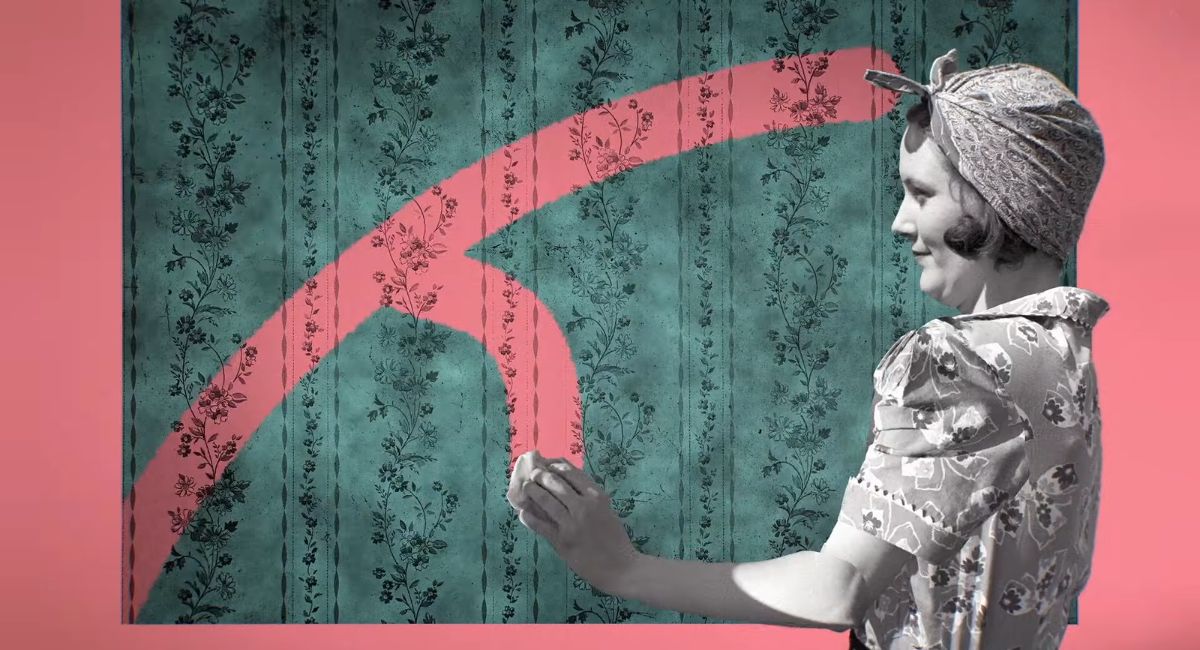
I have picked Play-Doh out of our living room rug for years without once asking where it came from.
My son is seven, and a rainy Saturday with him usually ends with blue and yellow crumbs pressed into the rug by the sofa.
Last month, while I was on my knees with a butter knife, I looked up the best way to get it out.
What I found first was a history lesson. Play-Doh started as a wallpaper cleaner for homes heated with coal.
It only became a toy in the 1950s, after the soot it was made to clean started to disappear.
Why Homes Once Needed Dough to Clean Wallpaper
Coal stoves and furnaces left a fine black soot on everything in the house, and wallpaper took the worst of it.
Most paper could not be scrubbed with water, because it would tear, bubble or run.
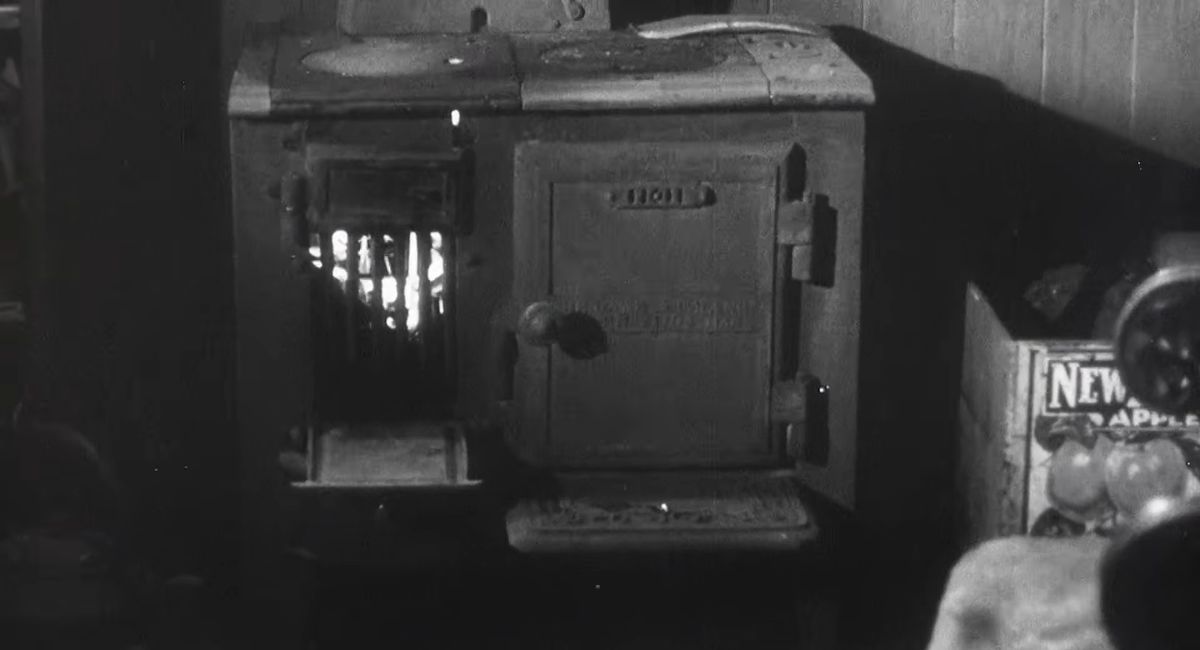
The answer was a soft dough you rolled across the wall. It worked a lot like a kneaded eraser.
The soot stuck to the dough, you folded the dirty side in, and you kept rolling until the paper looked lighter.
According to Smithsonian magazine’s history of Play-Doh, Kutol Products in Cincinnati, founded in 1912, grew into the largest wallpaper cleaner maker in the world.
Its putty had one job, which was wiping soot off walls.
Did you know? People cleaned wallpaper with bread long before anyone sold dough in a can.
The Weald and Downland Living Museum in England lists rubbing wallpaper with white bread among the Victorian cleaning tricks that still work.
For a closer look at how a wallpaper cleaning product became one of America’s best-known toys, watch this short HISTORY Channel video about Play-Doh’s surprising origins.
How Coal Heat Disappeared and Took the Cleaner With It
Wallpaper cleaner did not fail because it stopped working. It failed because houses stopped making soot.
I lined up the heating numbers with the Play-Doh story, and the timing is hard to miss.
| Year | What happened |
|---|---|
| 1912 | Kutol Products opens in Cincinnati |
| 1940 | About 55% of U.S. homes heat with coal or coke |
| 1956 | The dough is renamed Play-Doh and sold as a toy |
| 1965 | The Play-Doh patent is granted, and the company is sold to General Mills |
| 1970 | Only 2.9% of homes still heat with coal |
| 1991 | Hasbro takes over the brand |
The timeline is my own. As gas and oil heat took over, a company built on soot needed a new product. I wrote more about coal-era chores in my piece on how spring cleaning became an American ritual.
The Nursery School Teacher Who Saw a Toy
Smithsonian credits Kay Zufall, a nursery school teacher and the sister-in-law of Kutol’s Joseph McVicker.
She read that wallpaper cleaner could be used for modeling, tried it with her students, and suggested the name Play-Doh.
The National Toy Hall of Fame, which inducted Play-Doh in 1998, tells it a little differently.
In its version, a teacher told McVicker that modeling clay was too hard for small hands, and he showed his dough at a national education convention in 1955.
The details do not match exactly, but both versions start with a teacher and a classroom.
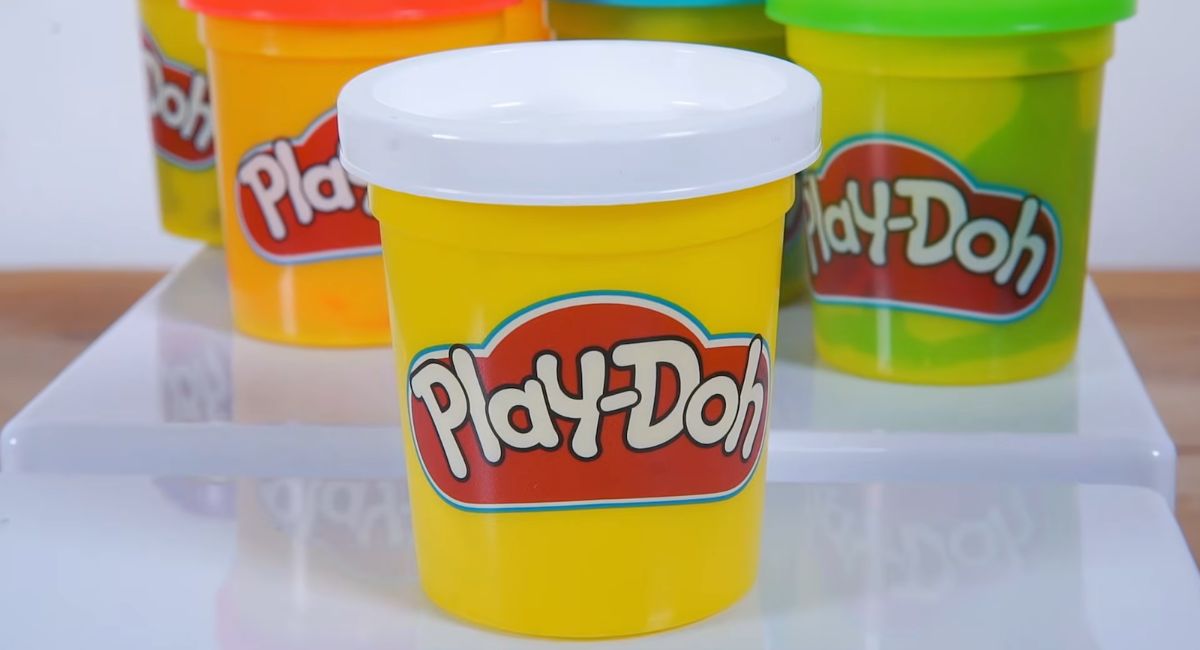
A few changes turned a cleaning product into a toy.
- The original 1956 dough came only in off-white, and red, blue and yellow followed soon after.
- McVicker formed a new company, Rainbow Crafts, to sell it.
- In 1960 came the Fun Factory, the press that squeezes dough into shapes.
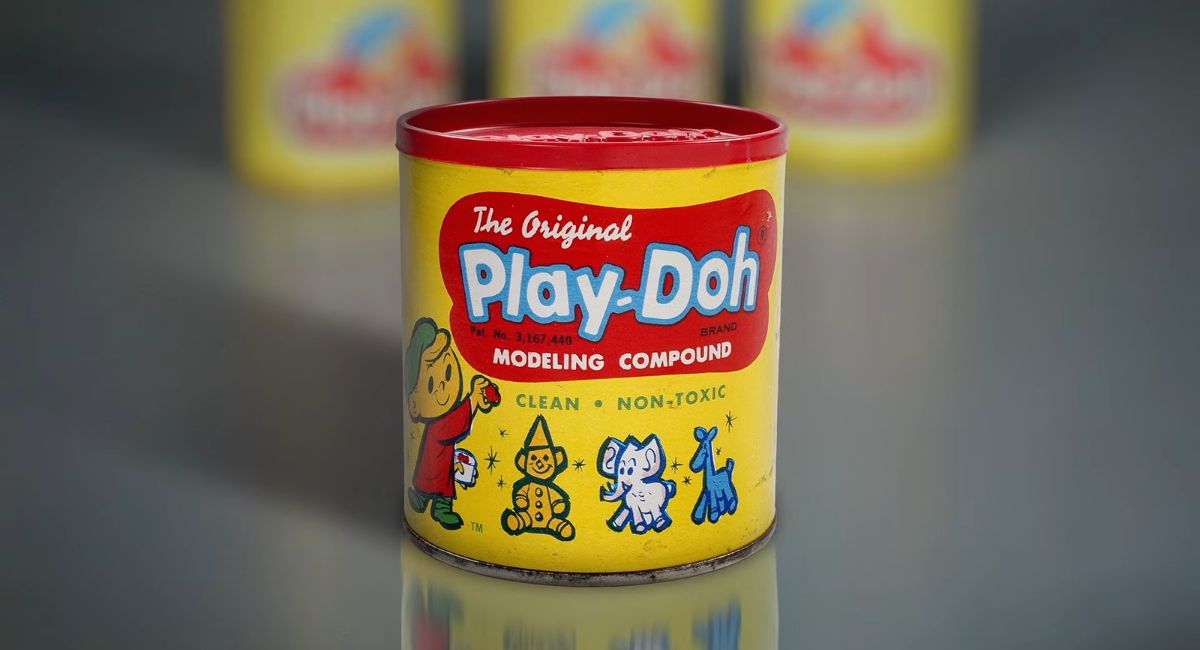
What Is in Play-Doh and Why It Matters at Home
The 1965 Play-Doh patent lists wheat flour, water, salt and a light oil, with borax as a preservative. Smithsonian describes a similar mix today, with mineral oil.
Those ingredients explain most of what happens on my floor.
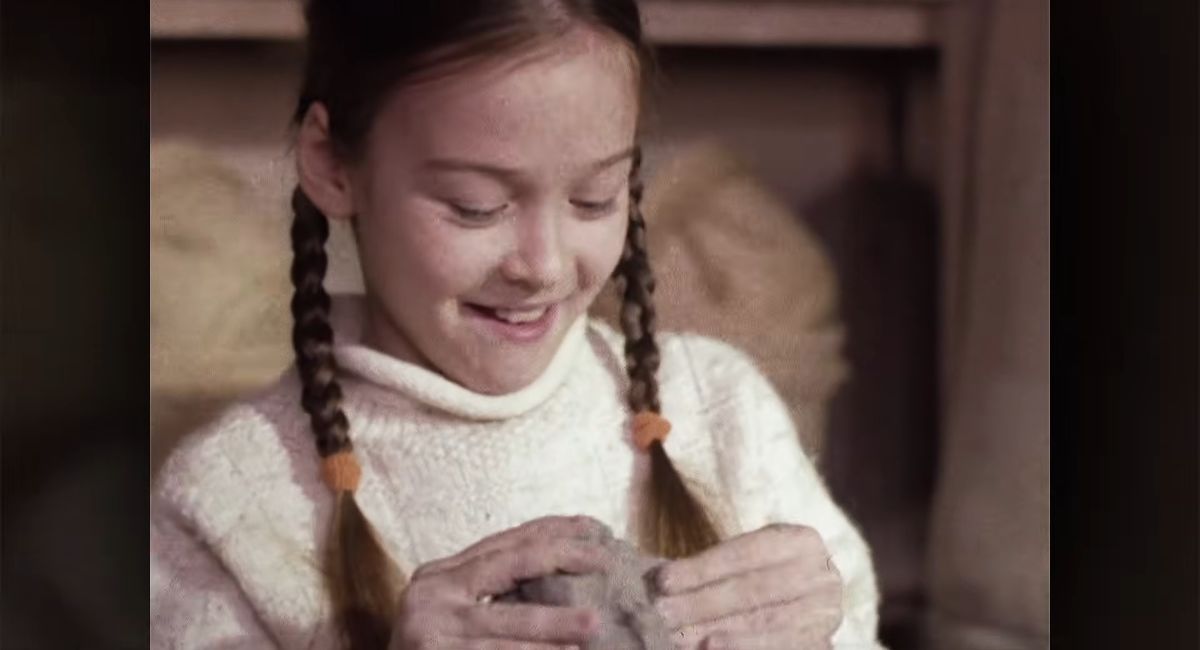
- Flour and salt make the dough dry hard and crumbly once the lid is left off.
- Oil can leave a faint greasy mark on fabric or flat paint.
- Color can rub off on light carpet when the dough gets wet.
- Wheat flour matters for anyone in the house with a wheat allergy.
Salt is the one to take seriously if you have pets. Pet Poison Helpline warns that homemade play dough often contains a large amount of salt, which can make dogs and cats seriously ill. If a pet eats some, call your vet right away.
How I Get Play-Doh Out of the Rug
My first try was the wrong one. I went at a fresh blue crumb with a warm, soapy rag and turned it into blue paste that sank deeper into the rug.
Then I found Hasbro’s advice in Consumer Reports, which says to skip hot water and cleaning solutions.
- Leave the Play-Doh alone until it is completely dry and hard, ideally overnight.
- Lift off the large pieces with a butter knife or a spoon.
- Brush the spot with a stiff brush to break up what is left.
- Vacuum the area slowly from several directions.
- Dab any leftover color with cold water and a drop of laundry detergent, then blot with a dry towel.
Test the detergent on a hidden corner first, especially on wool. On clothes, the same steps work, followed by a cold hand wash.
Would Play-Doh Still Clean a Wall Today?
I have not tried it on our walls, and I am not planning to. My guess is that modern Play-Doh, with its oil and bright colors, would leave a tinted or greasy patch on painted walls. Kutol’s wallpaper cleaner was made for a different job.
Soot still happens in modern houses, from candles, a fireplace or a small kitchen fire. A University of Florida extension guide to smoke damage suggests a chemical dry cleaning sponge from a cleaning supply store. It also warns against water-based cleaners on plaster, because the stain can bleed into the wall.
That dry sponge works much like the old dough. It lifts soot off instead of smearing it around with water. For damage from a real house fire, I would call a professional restoration company rather than start rubbing.
The story of Play-Doh is a reminder that some of the most successful inventions began with an entirely different purpose. This short documentary explores how a struggling wallpaper cleaner business found new life in children’s toys.
People actually asked me these questions:
Here’s What Changed at Our House
The blue spot by the sofa came out on the second try, after a night of drying and a lot of patient brushing.
Knowing the dough was once meant to clean walls did not make me love the crumbs. It did make me a little more forgiving of them.
Play-Doh now lives in a bin in the kitchen, and it only comes out at the kitchen table, on an old baking sheet.
On Saturday evenings, once everything has dried, I brush the crumbs off the table and vacuum under the chairs. The rug by the sofa has been blue-free for three weekends.