

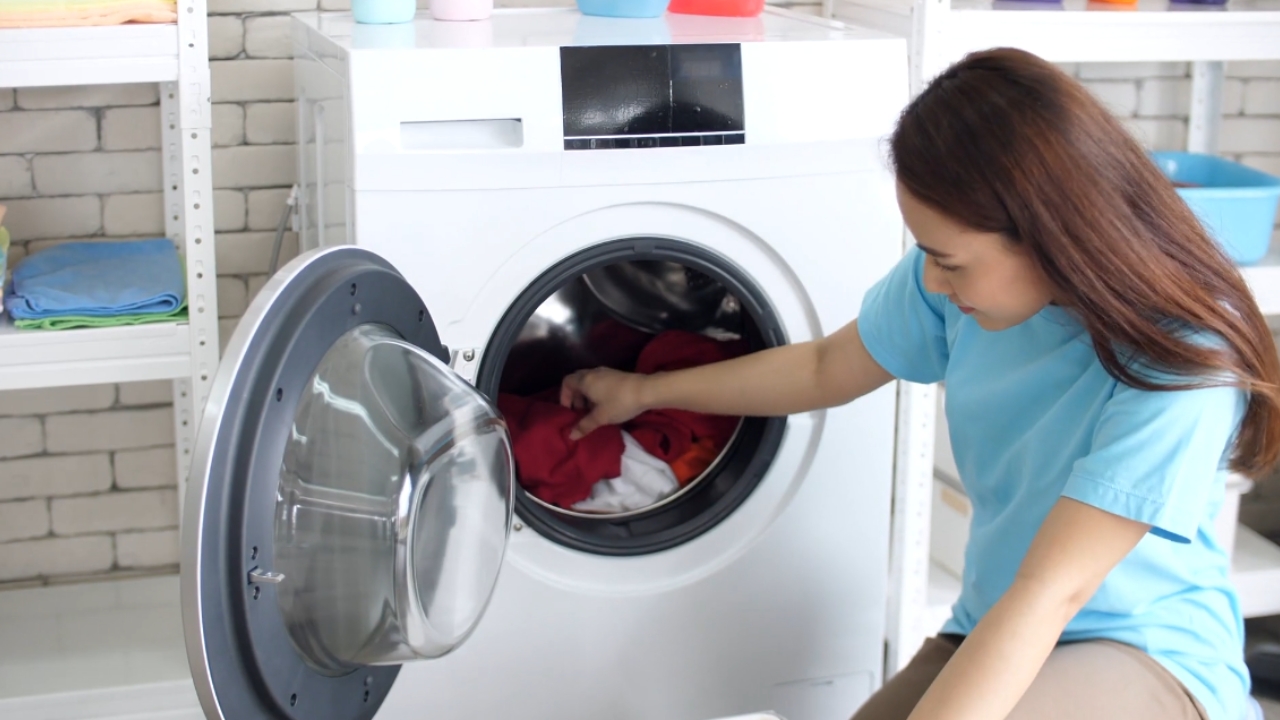
You open the washing machine expecting, at worst, the smell of damp towels somebody forgot to move. Instead, you get hit with something closer to pond water in August. Lovely.
A washing machine that smells like a swamp is usually not mysterious, though it can feel personally insulting when it is supposed to be cleaning things.
The smell normally comes from trapped moisture, detergent residue, fabric softener buildup, mold, biofilm, or dirty water that is not leaving the machine properly.
But bear in mind that most of the causes are fixable with a careful clean and a few less-than-glamorous habits.
The smell is usually coming from wet residue, not the water itself
A washing machine gives odor exactly what it wants: warmth, moisture, skin oils, lint, detergent, softener, and bits of whatever came in on socks, towels, and gym clothes. Over time, that mixture can cling to the drum, rubber gasket, detergent drawer, sump area and drain filter.
The U.S. Environmental Protection Agency explains that moisture control is central to mold control, and that idea applies neatly here. If a washer stays damp between loads, it becomes much easier for musty smells to keep coming back.
This does not mean your machine is ruined, but that something inside it is staying wet, dirty, or both for too long.
Modern laundry habits can make the problem worse
Cold and low-temperature washing has its place. The Energy Saving Trust noted that lower temperatures use less energy, especially for clothes that aren’t heavily soiled.
View this post on Instagram
I’m not against cold washing. I’m against expecting a damp metal box full of lint, soap, skin oils, and forgotten sock fluff to behave itself forever.
The problem usually starts when low-temperature washes, liquid detergent, fabric softener, short cycles and a closed washer door all become the normal routine. The machine can look clean from the outside while residue builds up in the parts nobody wants to inspect before breakfast.
- Keep cold washes for lighter loads. T-shirts, lightly worn clothes, and everyday items are usually fine on a cooler cycle, but towels, bedding, gym clothes, and very dirty loads need a more serious wash now and then.
- Run a hot maintenance cycle once a month. Use the machine’s drum clean or tub clean setting if it has one. If not, run an empty hot cycle according to the manual.
- Measure detergent instead of guessing. More detergent doesn’t mean cleaner laundry. It can leave a film inside the washer, especially if you use short cycles or wash in cooler water.
- Go easy on fabric softener. Softener can leave a slippery coating in the drawer, drum, and seal. If your towels smell sour even after washing, softener may be helping the problem along.
- Don’t live on quick wash. Short cycles are fine for small, lightly worn loads. They’re less helpful when the washer needs enough water, movement, and rinsing time to clear heavier dirt and residue.
- Leave the door and detergent drawer open after washing. It may look slightly untidy, but a closed, damp washer is exactly how the swamp gets invited back in.
- Wipe the rubber seal after the last load of the day. One dry cloth around the fold takes less than a minute and saves you from meeting whatever was growing in there next week.
A monthly maintenance cycle is a good baseline, but daily laundry loads can change the schedule. I explain how often you should clean your washing machine based on household use.
Front-loaders smell sooner, but top-loaders eventually get dirty too
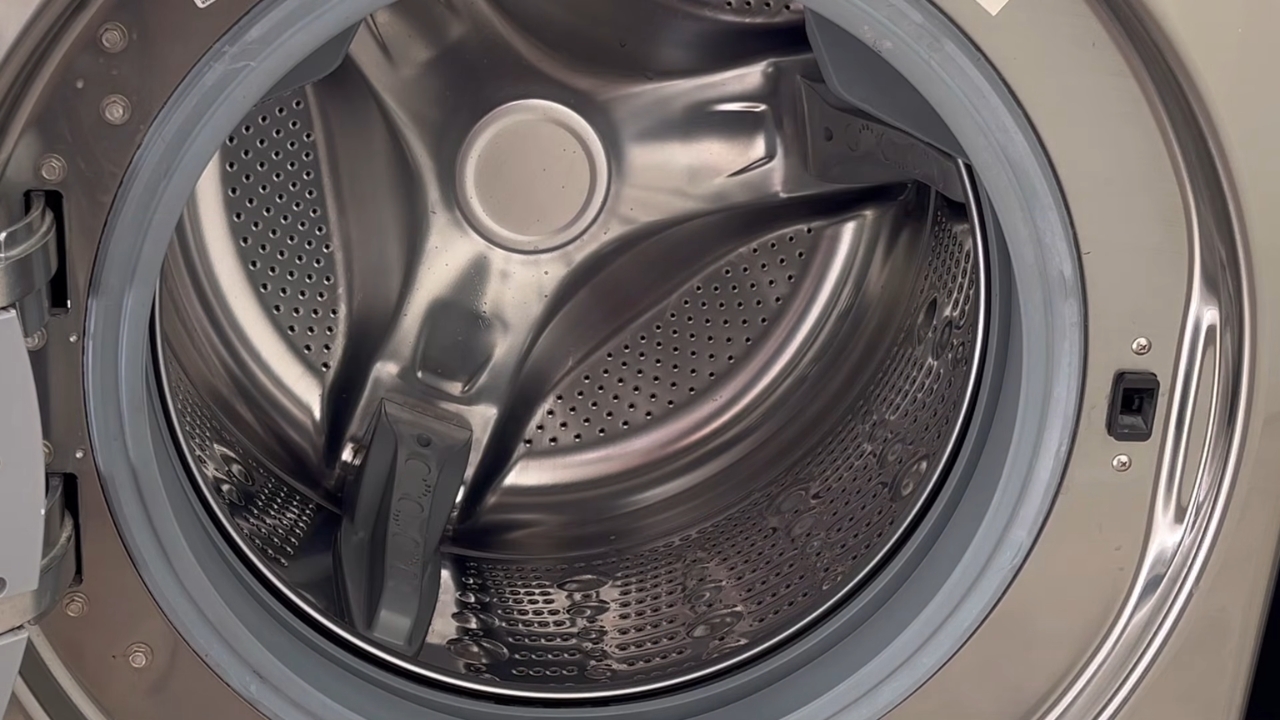
Front-load washers are infamous for stink because that rubber door seal traps water, lint, hair, and detergent buildup. Peel back the rubber, and you’ll usually find a tiny museum of gross stuff: a coin, a hair clip, grey slime, and a mystery crumb.
Top-loaders can smell just as bad, though usually around the tub ring, the agitator, the detergent tray, or under the lid.
Sometimes, the residue becomes visible as black flakes inside the washing machine. Small pieces can break loose during a wash cycle and end up on clean clothes.
The main problem? Cold water cycles don’t kill off everything, so bacteria and detergent scum build up inside the drum over time. That creates a thin layer of grime (biofilm) where odors thrive, which is why your washer can still smell bad even after running a cycle.
I’ve read this study on bacterial exchange in household washing machines, which described biofilm-related bacteria in the laundering process, which helps explain why odor can survive one normal wash after another.
Check the places most people forget to clean
Before running three random hot cycles and hoping for a miracle, clean the parts that collect the worst residue. Start with the rubber seal on a front-loader. Pull it back gently, remove debris, then wipe inside the folds with warm water and a small amount of mild detergent.
Take out the detergent drawer if your model allows it, wash it in the sink, and clean the cavity behind it. Then check your manual for the pump or debris filter. Put towels down first because water usually comes out. These are the areas most likely to hold the smell.
If the smell comes back, follow my front load washer gasket guide to check the lower folds for trapped water and residue.
For the full process, follow my guide on how to clean a front load washer, including the gasket, detergent drawer, filter, and cleaning cycle.
Area to check
What may be trapped there
What to do
Door gasket
Water, lint, hair, mold spots
Wipe inside every fold and dry it well
Detergent drawer
Softener slime, old detergent
Remove, rinse, scrub, and dry before replacing
Pump filter
Coins, hair, lint, small debris
Drain slowly, clean the filter, and refit tightly
Drain hose
Standing dirty water or backflow
Check placement against the machine manual
If the smell improves after cleaning one of these, you have probably found the main offender.
Run a maintenance wash after the dirty work is done
Once the gasket, drawer and filter are clean, run an empty hot maintenance cycle. Use the machine’s tub clean, drum clean, or self-clean setting if it has one. If it does not, use the hottest suitable empty cycle recommended in the manual.
If you have an LG model, follow my guide on how to clean an LG front load washer with Tub Clean before you start the cycle.
For Whirlpool owners, I have a separate guide on how to clean a Whirlpool washer, with the Affresh cycle and the parts that still need a good wipe by hand.
Samsung owners can follow my guide on how to clean a Samsung front load washer before running Self Clean.
Some people use washing machine cleaner, some use vinegar, and some use diluted bleach where the manufacturer allows it. But the most important thing is not to mix the products. The CDC says household bleach should never be mixed with other cleaners or disinfectants because dangerous vapors can be released.
Household cleaners and disinfectants can cause health problems when not used properly. Follow the instructions on the product label to ensure safe and effective use. Learn more about cleaning and disinfecting your home: https://t.co/PW0UbW8KeE. https://t.co/rdcR9QJNIR
— CDC (@CDCgov) April 24, 2020
So choose one method, follow the label or manual, ventilate the room, and do not get creative with chemistry in the name of freshness.
If a regular clean has failed and your manual allows bleach, my guide on when to use bleach to clean a washing machine explains when it makes sense and how to use it safely.
Know when the smell is a warning sign
A musty or swampy smell is usually a maintenance problem. A sewage, rotten egg, or strong drain smell can be different. That may point to a drain hose pushed too far into the standpipe, a plumbing vent issue, standing water, or wastewater backing toward the machine.
If the washer is not draining, if water pools in the drum, if the filter keeps filling with debris, or if the smell returns immediately after a full clean, stop treating it like a housekeeping annoyance.
Check the manual first, then call an appliance technician or plumber if needed. A washer should not smell freshly perfumed. It should smell like almost nothing. That is the goal.
The same rule applies to the rest of the house. A pleasant lemon scent can make a room seem spotless, but it cannot prove that the dirt is gone.
Keep the swamp from moving back in
Prevention is mostly boring, which is why it works. Leave the washer door open after a cycle if you can do so safely, and pull the detergent drawer slightly open so it can dry.
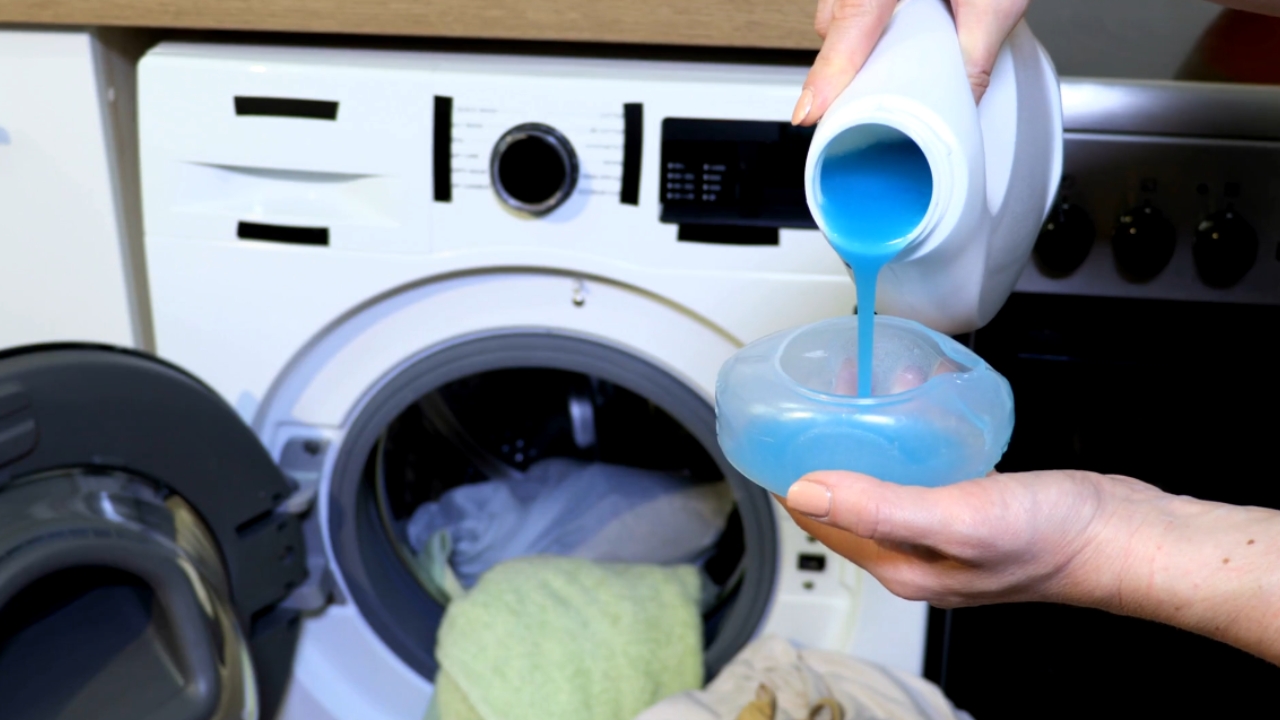
Measure the detergent. Use the amount marked on the detergent cap or scoop for a medium load, and only increase it for a larger or heavily soiled load.
Using more than you need can leave residue behind in both your clothes and the machine. I’d also skip the fabric softener now and then, especially with towels, since it can build up on the fibers and inside the washer.
Do not overload the drum; clothes need space to move and rinse. Recent research on odorous domestic washing machines looked at the door seal, detergent drawer, and sump, which is a polite scientific way of confirming what anyone with a smelly washer learns quickly: the hidden parts matter.
Frequently asked questions
Can a smelly washer make clean clothes smell bad?
Yes. Residue and odor inside the washer can leave clean laundry with a stale, sour, or musty smell. Towels and thick cotton items often show the problem first because they hold moisture longer.
Should I use dishwasher tablets to clean a washer?
I would avoid that as a regular method. Dishwasher tablets are made for dishwashers rather than washer seals, drums, and hoses. Use the washer’s clean cycle plus products or methods allowed by the manual.
Why does the washer smell worse after a holiday?
A closed door can trap moisture inside the machine for several days. Warmth, moisture, and poor airflow can turn a mild odor into a much stronger one.
Can too many towels in one load cause the smell?
Yes, it can contribute. A packed drum may rinse a heavy towel load poorly. Damp towels also carry body oils, detergent residue, and moisture. All three can make an existing odor worse.
Does a swampy washer mean I need a new machine?
Usually, no. Clean the seal, drawer, filter, and drum first. Replacement may make sense if the machine has drainage faults, damaged seals, repeated leaks, or odor that returns after proper care.
At the end
A smelly washing machine isn’t a sign that you’re bad at keeping house; it usually just means dampness and soap scum have built up where you can’t see them.
Wipe down the rubber seal, rinse out the detergent drawer, clean the filter, and run a hot cycle with washer cleaner. After that, just leave the door open between loads so it can dry out.
If it starts smelling like a sewer pipe instead of musty laundry, that’s a plumbing problem, not a dirty machine. Clean laundry shouldn’t smell like perfume or fake flowers; it should just smell clean.