

We came home from a lake week the summer before last to a laundry room that smelled like a forgotten gym bag. Someone, and I have suspicions, had left a wet beach towel balled up in the washer.
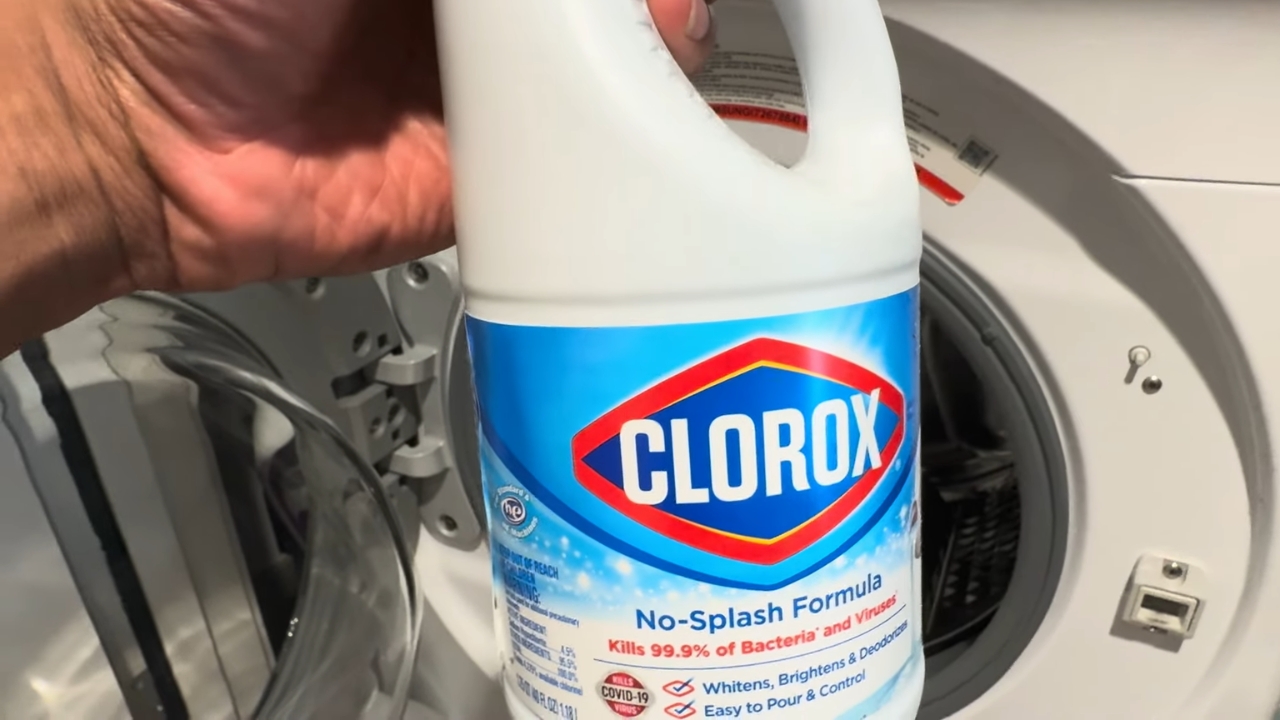
A regular cleaning cycle barely touched the smell. That was one of the few times I reached for chlorine bleach, and it worked, but only because I used it the way the manual intended.
Bleach is a tool I respect rather than a habit. Here is how to clean a washing machine with bleach without damaging the machine or your lungs, and when I think you should leave the jug on the shelf.
When Bleach Actually Makes Sense
I don’t bleach my washer every month, and I don’t think most people need to.
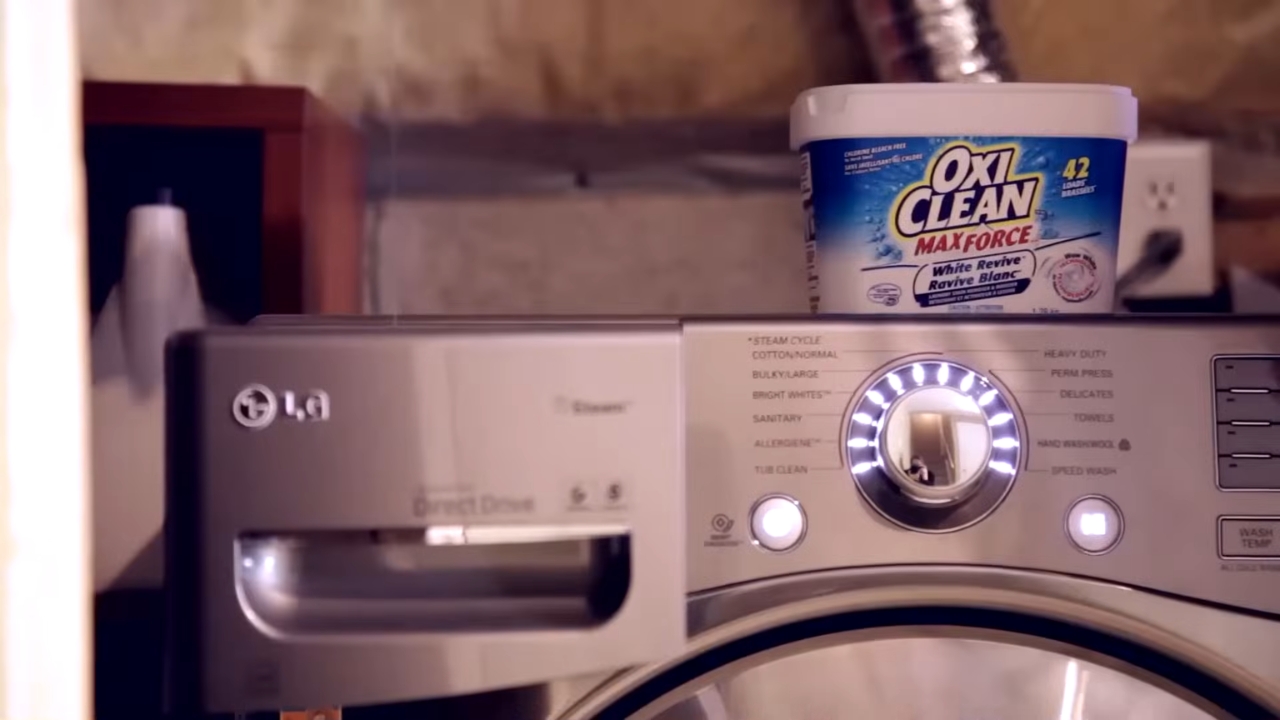
Our LG has needed it once, after that incident with the lake towels. The towels had been sitting damp in the closed washer, and even after I cleaned the machine, that stale, musty smell was still there. I ended up using bleach, then running a rinse cycle and leaving the door and dispenser open to dry. It’s one reason I’m careful about reaching for bleach too often. I don’t want to expose the rubber seals to it unnecessarily, and I certainly don’t enjoy the fumes.
These are the situations where I’d consider using it:
- A musty smell that survives a regular cleaning cycle
- Visible mold spots inside the drum or in the dispenser channels
- A machine that sat closed and damp for days, like ours after the lake
Black specks on laundry aren’t always surface mold. A film inside the tub can also break apart and leave black flakes on clothes.
A persistent odor can also point to a clogged filter or drain, as I explain in my article on why washing machines smell.
For ordinary maintenance, I’d rather use affresh tablets or a cleaner recommended by the manufacturer. Most months, keeping the door open and wiping the gasket does more for our washer than another round of bleach would.
Our old Whirlpool had its own Clean Washer routine with Affresh, which I used for regular maintenance instead of bleach.
How Much Bleach The Manuals Actually Allow
The amounts surprised me when I lined them up side by side. Brands disagree, and the bleach maker disagrees with some of the brands, which is exactly why I never trust a one-size recipe from the internet.
| Source | Amount | Where it goes |
| Clorox, HE washers | 1/4 cup | Bleach dispenser, hottest cycle |
| Clorox, standard top loaders | 1/2 cup | Bleach dispenser or drum |
| Whirlpool Clean Washer cycle | 1 cup | Bleach compartment, no detergent |
| Samsung, existing mold or smell | Up to the max line | Detergent compartment |
Whirlpool’s guide to removing odors from a washer warns that more than 1 cup can damage the machine over time. Samsung’s mildew and mold steps send bleach to a different compartment entirely. Your own manual wins every time.
My Samsung Self Clean guide explains the separate bleach procedure for machines with existing mold or odors.
For my LG, I follow the steps in my LG Tub Clean guide, which also explains where each type of cleaner belongs.
How To Clean Washing Machine With Bleach, Step By Step
Once I have checked the manual, the routine itself takes about two minutes of actual work. I run it in the evening, when nobody needs the laundry room.
- Empty the drum and pull out anything caught in the door seal.
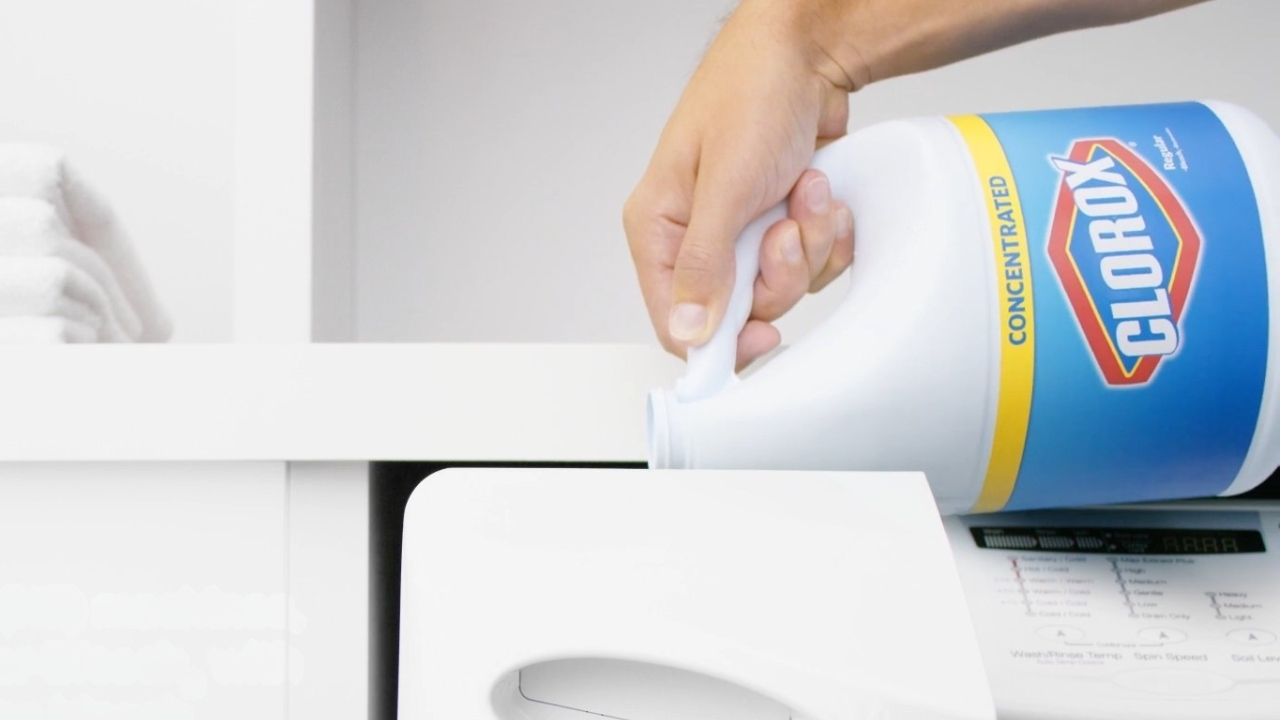
- Measure regular liquid chlorine bleach with a measuring cup, never straight from the jug.
- Pour it where your manual says, usually the bleach dispenser.
- Add nothing else, no detergent, no vinegar, no booster.
- Run the cleaning cycle or the hottest cycle your washer offers.
- Run an extra rinse afterward, then leave the door open.
Use plain bleach. Maytag’s front load cleaning notes warn that thickened, easy-pour or no-splash bleach can cause excessive suds in the cleaning cycle. Those six steps are all it takes to clean a washing machine with bleach.
Never Mix Bleach With Vinegar Or Ammonia
The scariest moment in my laundry room had nothing to do with mold. Mid-cycle, my husband walked in with the vinegar jug, planning to “help” with the rinse.
I have never moved faster in my life. He now keeps the vinegar on a separate shelf, labeled in my handwriting.
Bleach mixed with ammonia releases chloramine gas. Bleach mixed with acids, including vinegar and some bathroom cleaners, releases chlorine gas. Both can injure the lungs.
View this post on Instagram
The Tennessee Poison Center explains that even low exposure causes burning, coughing, and irritation, and it lists the Poison Help line, 1-800-222-1222.
A New Jersey Department of Health hazard alert adds drain cleaners, toilet bowl cleaners, and rubbing alcohol to the list. The rule is one cleaner per cycle, never two.
When Bleach Is A Bad Idea
Sometimes the right answer is no bleach at all. Before I decide how to clean a washing machine with bleach, I run through this list first.
- Your manual does not mention bleach, or recommends its own cleaner instead.
- You are tempted to pour bleach straight onto the rubber door seal.
- You want to double the amount because the smell is bad.
- You plan to use bleach every week.
- Someone in the house has asthma and the laundry room has no window.
LG’s tub cleaning instructions warn that undiluted bleach can make the gasket deteriorate. Stainless steel is not immune either. An NIH engineering paper from 2005 traced pitting in lab sink traps to repeated bleach exposure, which is not a washer study, but it explains why manufacturers cap the amount and insist on rinsing.
Why The Rinse Cycle Matters So Much
The first time I bleached our old Whirlpool, I skipped the extra rinse because I was tired. The next morning, I washed a load of navy school uniforms and pulled out two shirts with faint orange spots along the hem.
Leftover bleach in the drum, the dispenser or the hose does not announce itself. It simply waits for your darkest load. Since then, I run an empty rinse after every bleach cycle, and I sniff the drum before any colors go in. A note taped inside the laundry cabinet says RINSE in capital letters.
I let it sit while I wipe the gasket, then start the cycle – a few minutes at most. There’s no need to leave it soaking for hours. You’re not going to get a cleaner washing machine that way, and prolonged exposure can be hard on the rubber seals. Knowing when to stop is just as important as knowing how to clean a washing machine with bleach.
What I Do Between Bleach Cycles
The best bleach cycle is the one you never need. In our house, a few small habits keep the jug on the top shelf for months at a time.
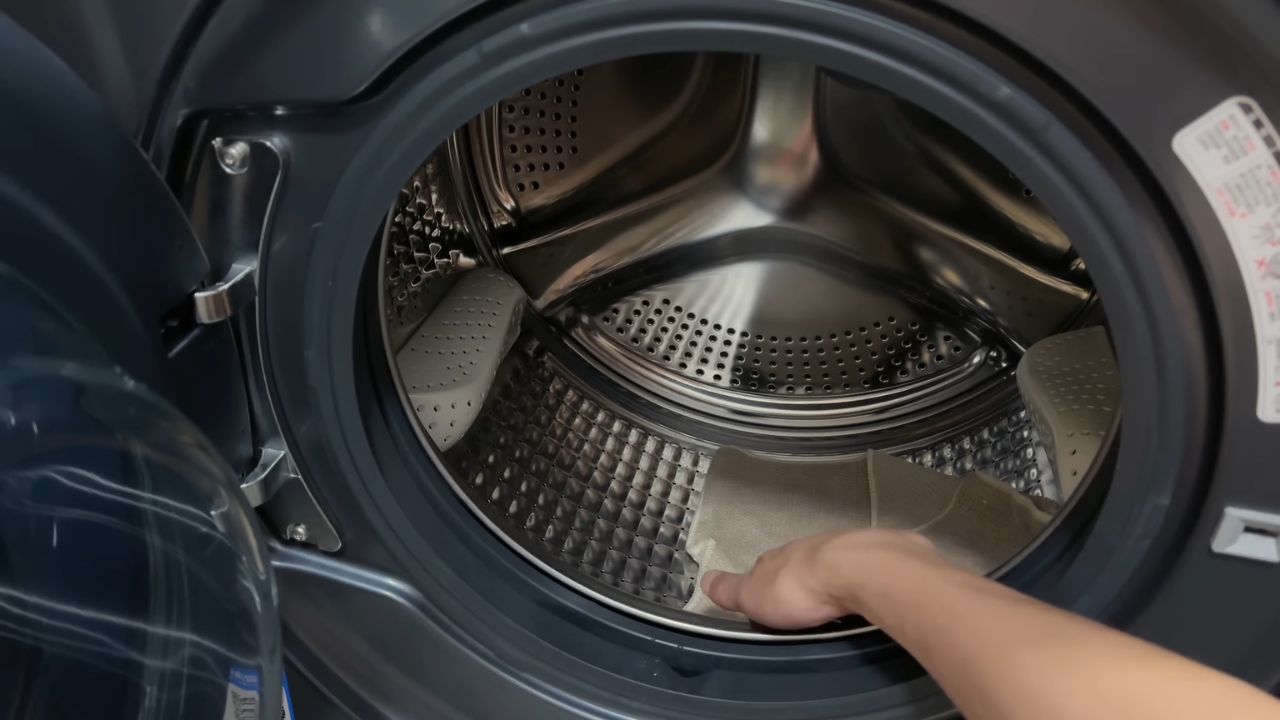
I leave the washer door and the detergent drawer open after the last load, wipe the bottom of the gasket on Sundays, and take wet clothes out promptly, or at least I nag until someone does.
For a more thorough manual clean, my front load washer gasket instructions show how to reach the lower folds where moisture tends to remain.
Knowing when to clean your washer matters more than which cleaner you choose, because regular, gentle cleaning stops smells before they need bleach.
I also measure detergent instead of eyeballing it. Too much soap leaves residue that feeds odors, and no amount of bleach fixes a habit. That, in my experience, is the part of how to clean a washing machine with bleach most people skip.
The Last Time I Reached For The Bleach
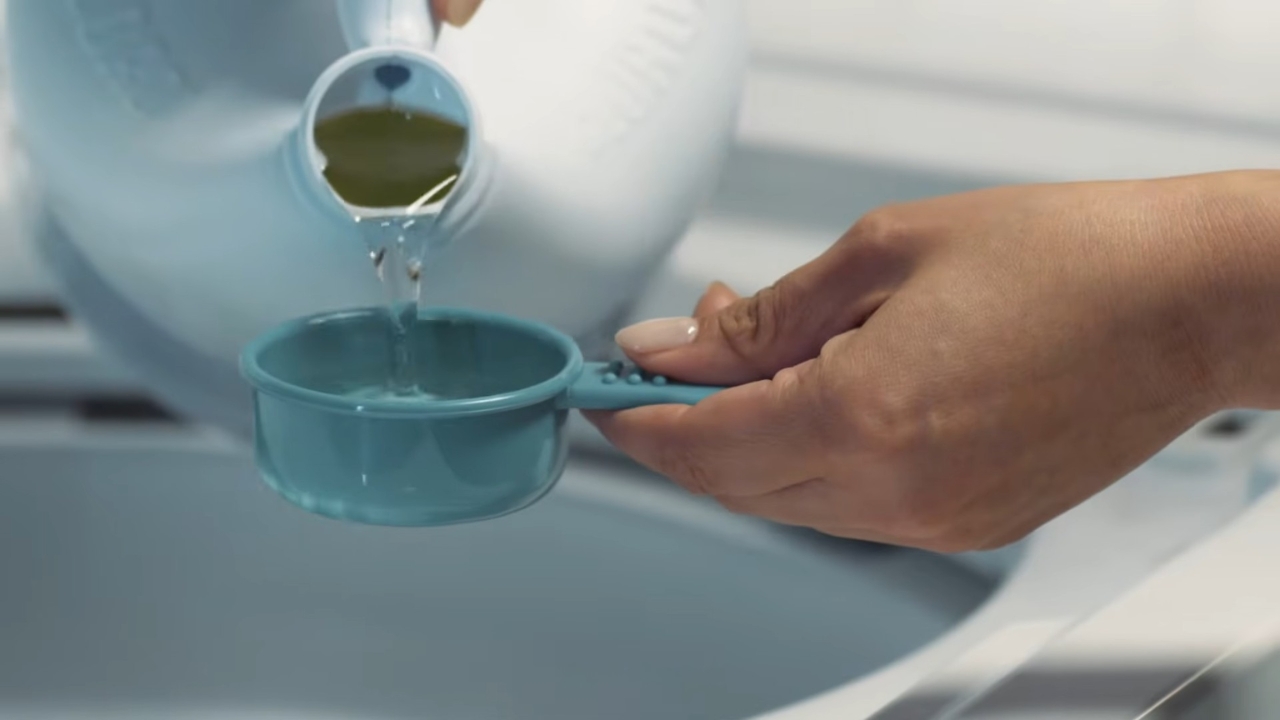
The lake towel incident was over a year ago, and the bleach has not come down from the top shelf since. I measured 1/4 cup into the dispenser, ran Tub Clean (1 hr 51 min), ran a second rinse, and left the door open four nights. The smell was gone by the fourth morning.
If your washer smells right now, read your manual first, then follow the steps for how to clean a washing machine with bleach above, and never let a second cleaner anywhere near the bleach.
And check the drum for bleach towels. The kids now do that before every trip.